

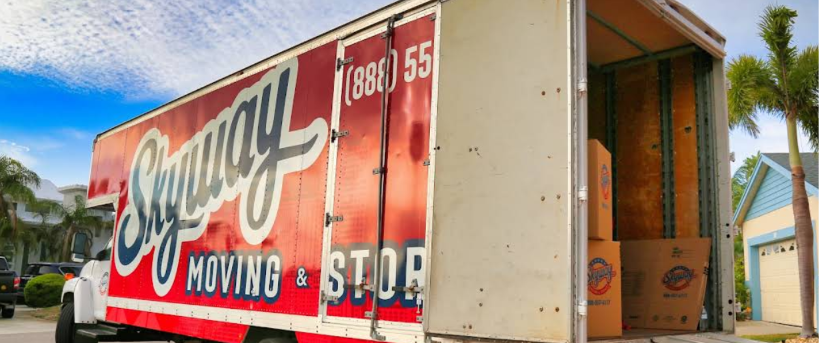
Most office relocations do not fail because the furniture gets damaged. They fail because the phones were down on Monday morning, the server rack arrived before the room was ready, or a crew spent two hours at a loading dock that had been reserved for somebody else. Downtime is the real cost of a commercial move, and almost all of it is produced in the planning rather than on the day. Business relocations run alongside household ones as part of local moving across Hillsborough County, and the pattern is consistent enough to plan against.
Why Commercial Moves in Tampa Fail on Timing
The most common failure is treating the move as a single event. A business relocation is a sequence of dependencies, and getting the order wrong costs more than any individual mistake. Network infrastructure has to be live before workstations arrive. Workstations have to land before staff does. Furniture has to be in place before any of it. Compress that sequence into one weekend without confirming each dependency, and the business opens Monday with people sitting in a room full of boxes.
Tampa’s own geography is the other reliable source of lost hours. A move from Westshore to the Channel District crosses the I-275 and I-4 corridor, which backs up on a schedule anyone who drives it already knows. A loaded truck caught at the wrong hour cannot make the time back later in the day. Late January brings Gasparilla and the road closures that come with it across downtown and Bayshore. These are predictable constraints, which means they belong in the plan rather than in the post-mortem, and navigating Tampa traffic on moving day is worth reading before the date is locked.
Building Rules Downtown and in Westshore
Commercial buildings in Tampa’s core run on paperwork, and the paperwork is non-negotiable. Towers around Water Street, the Channel District, and Harbor Island require a certificate of insurance on file and a booked freight elevator window before any crew is allowed up. Westshore office buildings operate similarly, often with their own approved mover lists and restricted loading dock hours. Property managers set these rules, and a crew that arrives without them is simply turned away.
Both ends of the move need this handled, which is the part businesses routinely miss. The building you are leaving has move-out procedures, and the building you are entering has move-in procedures, and they rarely match. Elevator windows are typically booked in blocks and are not easily extended once the day runs long. We arrange these before the truck is booked rather than the other way around, because an elevator reservation is the hardest constraint in the whole job and everything else can flex around it.
Not sure what your office inventory should include before move week? Give us a call at (813) 797-4402, and we’ll walk the space with you and tell you what each building’s property manager will want in hand.
Sequencing Departments So Work Keeps Running
Very few businesses need every department operational at the same moment, and that is the opening most relocations waste. Move in waves instead. The teams that can work remotely for two days go first, since their absence from the new space costs nothing. Customer facing and phone-dependent teams go last, and ideally over a weekend, so their downtime lands outside business hours. Anything with a physical dependency, including labs, workshops, and server rooms, gets its own window rather than sharing one.
A staging area makes the waves work. Space held in a climate-controlled facility lets you move furniture out of the old building before the new one is ready, which breaks the deadlock when lease dates do not align. Tampa summers make that storage decision less optional than it sounds, since equipment and furniture left in an uncooled warehouse in August will show it. One crew loading, storing, and delivering also means nothing is handled twice and nothing goes missing between vendors.
What to Inventory Before Move Week
The inventory is where cost overruns are caught or created. Walk the office with whoever is quoting the job and account for everything, including the things nobody thinks of as furniture. The list below covers what gets missed most often.
- Server racks, network gear and anything requiring a technician rather than a mover
- Filing and records with retention or confidentiality requirements, which need chain of custody rather than a handcart
- Oversized or heavy items including safes, printers, plotters and conference tables that will not fit a standard elevator
- Shared spaces that belong to no department, such as kitchens, storage closets and supply rooms
- Anything leased rather than owned, since the leasing terms often dictate who is allowed to move it
Assigning an owner to each category matters as much as listing it. Items with no owner are the ones still sitting in the old building on the final walkthrough, and lease penalties for leaving them behind are rarely small.
After Hours and Weekend Windows That Protect Billable Days
The cheapest way to avoid losing work days is to move outside them. Evening and weekend relocations cost more in labor and are worth it for any business where staff downtime is expensive. A Friday evening load with a Saturday and Sunday setup gives technicians two full days to bring the network up and leaves Monday for the ordinary friction of a first day rather than for unpacking.
The constraint is that building access often shrinks outside business hours. Some downtown towers restrict dock access at weekends, some require a security escort, and some charge for after-hours elevator use. These are answerable questions, but they have to be asked weeks ahead rather than days. The same diligence applies to whoever is doing the work, and what to know when hiring movers applies more to a commercial job than a residential one, because the cost of getting it wrong is measured in revenue rather than inconvenience.
Tell us your lease dates, your headcount and both addresses, and we’ll build the sequence backward from the day you need to be open. Call (813) 797-4402, email steve@skywaymoving.com or stop by 5806 N 53rd St #14, Tampa, FL 33610. We’re open Monday through Sunday, 8 AM to 8 PM.
Related Topics:
- Is Tampa a Good Place to Live An Honest Look at Life in Tampa Bay
- Cities Near Tampa Worth Considering Before You Move